If someone asked you to name the most significant event in world history, what would you choose?
Perhaps the invention of the wheel. Or the printing press that put books—and eventually Bibles—into the hands of ordinary people. Maybe the Enlightenment, the French Revolution, the discovery of penicillin, the World Wars, or even the invention of the internet.
Each of those events changed the world.
But what about your own life? What has been the defining moment? Graduation? Marriage? The birth of your children? Recovering from a serious illness?
As significant as those moments are, there is one event that towers above every other event in history—and it is also the most significant event for your life.
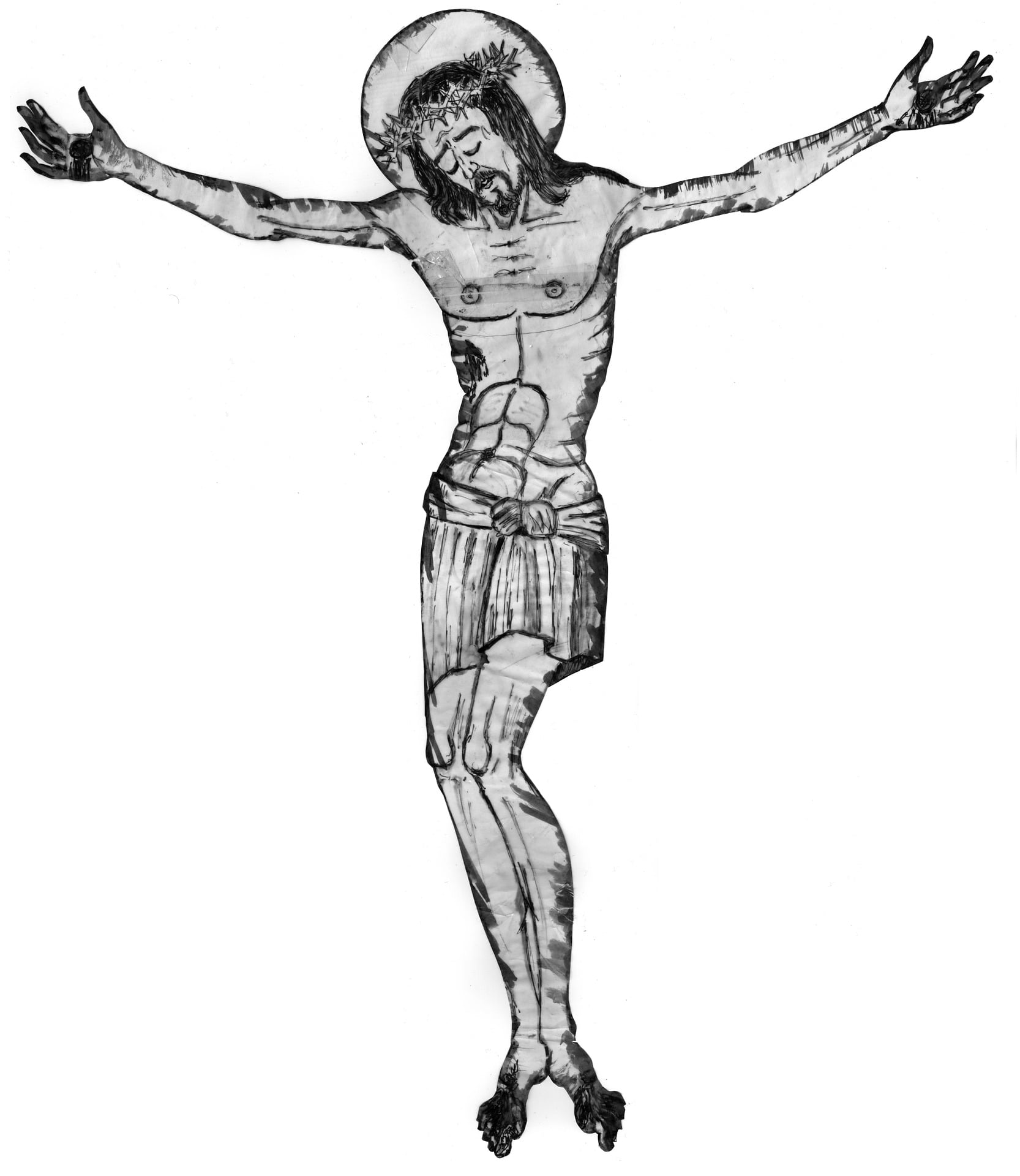
It is the death of the Lord Jesus Christ.
The cross is not merely an important chapter in Christianity. It is the very centre of God’s saving plan. Without the cross there is no forgiveness, no grace, no hope, and no eternal life.
The Good Shepherd
In John 10 Jesus describes Himself as the Good Shepherd.
Unlike the false shepherds of His day, Jesus truly cares for His sheep. He knows them by name. They hear His voice and they follow Him. He leads them into life.
He also makes an astonishing claim:
“I am the good shepherd. The good shepherd lays down his life for the sheep.” (John 10:11)
That single sentence explains why Jesus came into the world.
Certainly, Jesus performed miracles. He healed the sick. He taught with unparalleled authority. He showed perfect compassion. But those were never His primary mission. Jesus came to die.
A Deliberate Death
Notice that Jesus says He lays down His life. His death was not an accident. The cross was not a tragic mistake. Events did not simply spiral out of control. Jesus willingly gave Himself up according to the eternal plan of God. No one ultimately took His life from Him. He laid it down voluntarily.
That means the cross was never a defeat. It was God’s victory.
A Substitutionary Death
Jesus also says He lays down His life for the sheep.
That little word “for” changes everything. Jesus did not die for His own sins. He had none. He died in the place of sinners.
Our sin against God deserves His righteous judgment. We deserve death and eternal separation from Him. Yet on the cross the sinless Son of God took upon Himself the punishment that belonged to us. The Shepherd dies so that the sheep may live.
That is the scandal—and the glory—of the cross.
A Definite Death
John 10 also teaches something that Christians have treasured for centuries: Jesus says He lays down His life for the sheep.
His death had a definite purpose and a definite people.
The cross was not a vague attempt to make salvation merely possible. It actually accomplished salvation for the flock of God.
Jesus did not come hoping someone might eventually be saved if they made the right decision. He did not die to turn goats into sheep. Jesus came to save his sheep.
Jesus died for all the sins of all God’s people throughout all the ages, accomplishing their eternal salvation completely and perfectly.
The Good Shepherd does not merely make salvation available. He secures it.
Why Did Jesus Have to Die?
The New Testament uses several rich biblical words and concepts to explain what Jesus accomplished on the cross.
Redemption
The Bible describes us as slaves—not merely to bad habits but to sin itself.
We cannot free ourselves. Our guilt keeps us imprisoned, separated from God and without hope. But Jesus came as our Redeemer. By laying down His life, He paid the ransom that sets His people free. The Shepherd purchases the freedom of His sheep.
Propitiation
This is not a word we use every day, but it is one of the most precious words in the Bible that indicates the placating of wrath.
Of course, every one of us has problems.
Financial pressures.
Family struggles.
Health concerns.
Emotional burdens.
Yet none of those is our greatest problem.
Our greatest problem is the holy wrath of Almighty God against our sin.
God is perfectly holy and his justice demands that sin be punished. And at the cross, Jesus bore that judgment. Jesus endured God’s wrath in the place of His people so that God’s wrath toward them would be fully satisfied.
Jesus did not make propitiation possible. He was and is the propitiation for His sheep.
Satisfaction
Imagine finishing an expensive meal at a restaurant. The bill arrives and you brace yourself for the total. However, stamped across the account are the words:
PAID IN FULL
Someone else has settled your debt.
That is exactly what Christ has done for us. Our sins created a debt we could never repay and on the cross Jesus paid it in full.
God’s justice was not ignored, but satisfied. The penalty was not overlooked, but was borne by God’s own Son. The Shepherd paid the debt for the sheep.
Once For All, Never To Be Repeated
There have been countless crucifixions throughout history. The Romans crucified thousands.
But only once was the eternal Son of God nailed to a cross.
Only once did the Creator bear the judgment deserved by His creatures.
Only once did the Good Shepherd lay down His life for His sheep.
That single event changed everything. The cross made God’s grace towards sinners possible.
How Should We Respond?
Jesus says,
“I am the door. If anyone enters by me, he will be saved.” (John 10:9)
If you have never trusted Christ, then come to Him.
Not to religion.
Not to good works.
Not to self-improvement.
Come to Jesus alone.
And if you already belong to Christ, let this truth strengthen your assurance.
The cross reminds us that God’s love is not uncertain or fragile. If God gave His own Son to lay down His life for His sheep, then you never need to wonder whether He loves you.
The greatest problem you have ever faced has already been dealt with. Because Christ bore God’s wrath for you, you can face every other trial knowing that your Shepherd will never abandon you.
The most significant event in history was not the invention of the wheel or the internet. It was not a revolution or a scientific discovery.
The greatest event in history is the Lord Jesus Christ laying down His life for His sheep.