When have you seen God’s power on display?
Perhaps in the raw force of thunder and lightning, the beauty of a sunset, a life dramatically changed, or God providing at just the right moment. Maybe even in a remarkable healing through medicine or miracle. Moments like these make us ask an important question: how do we access the power of God?
Many people assume it comes through reaching a higher level of spirituality, learning the right prayers, or getting help from a particularly “anointed” religious leader.
But 1 Samuel 5–6 shows us something very different.
God Is Not a Good Luck Charm
In 1 Samuel Ch. 4, Israel tried to manipulate God’s power.
After losing a battle to the Philistines, they brought the Ark of the Covenant from Shiloh into the camp. This golden chest symbolized God’s throne and presence among his people. The Israelites assumed that if the ark was with them, God would guarantee victory.
But they were wrong.
The Philistines defeated Israel, killed thirty thousand soldiers, and captured the ark. The Israelites had treated God like a good luck charm—something to wheel out when they needed help. Instead of blessing, they experienced judgment.
God will not be manipulated.
The Fall of Dagon
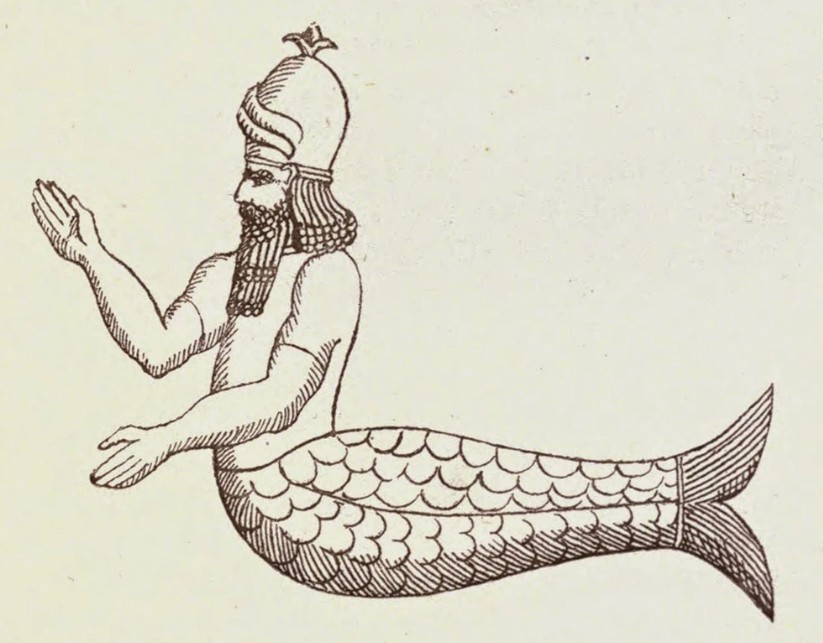
The Philistines placed the captured ark in the temple of their god Dagon in Ashdod, displaying it as a trophy of victory. But the next morning they found something shocking: the idol of Dagon had fallen face down before the ark.
They set the statue upright again.
The following morning it had fallen again—this time with its head and hands broken off. In the ancient world, cutting off a defeated enemy’s head and hands symbolized total victory.
Without a single Israelite soldier lifting a sword, God had defeated Dagon in his own temple.
False gods must be propped up by human hands. But the true and living God needs no help.
The Heavy Hand of God
The story gets worse for the Philistines. Tumours break out among the people, disease spreads through the land, and panic grips the cities. The text repeatedly says, “the hand of the Lord was heavy against them.”
Ironically, the Philistines thought they had captured God. In reality, they had fallen into his hands.
Terrified, they move the ark from city to city—Ashdod, Gath, and Ekron. But everywhere it goes, God’s judgment follows.
Eventually their religious advisers tell them to send the ark back to Israel with offerings of gold representing the plagues. Even the cows pulling the cart—against their natural instinct to return to their calves—walk straight toward Israel. God himself brings the ark home.
The message is clear: God does not need human strength to defend his glory.
The Sting in the Tail
But the story ends with a sobering warning.
When the ark arrives in the Israelite town of Beth-Shemesh, some men look into it—something God had strictly forbidden. Seventy of them die.
Why?
Because God is not only powerful—he is holy.
The Philistines treated God like a problem to get rid of. The Israelites treated him too casually. Both were wrong. The living God will defend his holiness whether you are an outsider or an insider.
The Glory Returns in Jesus
Later in Israel’s history, God’s glory would depart again during the exile. But the good news of the gospel is that God’s glory returned in a far greater way.
The Gospel of John says:
The Word became flesh and dwelt among us, and we have seen his glory.“(1:14)
In Jesus, God himself came to dwell among us.
The people of Beth-Shemesh asked a crucial question in 1 Samuel 6:20:
“Who can stand before the Lord, this holy God?”
The honest answer is: no one can on their own.
God’s holiness exposes our sin. Religious activities, good intentions, or moral effort cannot remove our guilt.
But the gospel tells us that Jesus stood in our place. At the cross, it looked as though Jesus had been defeated—like the ark captured by the Philistines. Yet what seemed like defeat became God’s greatest victory.
Through his death and resurrection, Jesus defeated the power of sin, death, and Satan.
Because of Jesus, we can stand with confidence in God’s presence. Cf. Hebrews 10:19
Where God’s Power Is Found
So how do we experience God’s power today?
Not through religious relics, secret prayers, or spiritual techniques.
We experience God’s power by bowing before Jesus—repenting of our sin and trusting in what he has done for us at the cross.
If you were to stand before God today and he asked, “Why should I let you into my heaven?” the answer is not about what you have done.
The only answer that saves is this:
“Jesus died for me.”
That is where the glory and power of God are most clearly seen.